
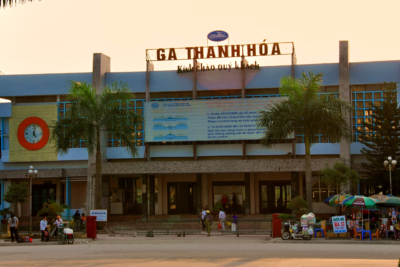



Vietnam train station is often the first place travelers encounter when choosing to explore the country by rail. From busy city hubs like Hanoi and Ho Chi Minh City to smaller provincial stations, Vietnam train stations play an important role in connecting regions, cultures, and landscapes. Traveling by train in Vietnam is not only affordable but also offers a unique way to see the country at a slower, more relaxed pace. This guide will help travelers understand how Vietnam train stations work, what to expect, and how to make the most of their journey.
Overview of the Railway System in Vietnam
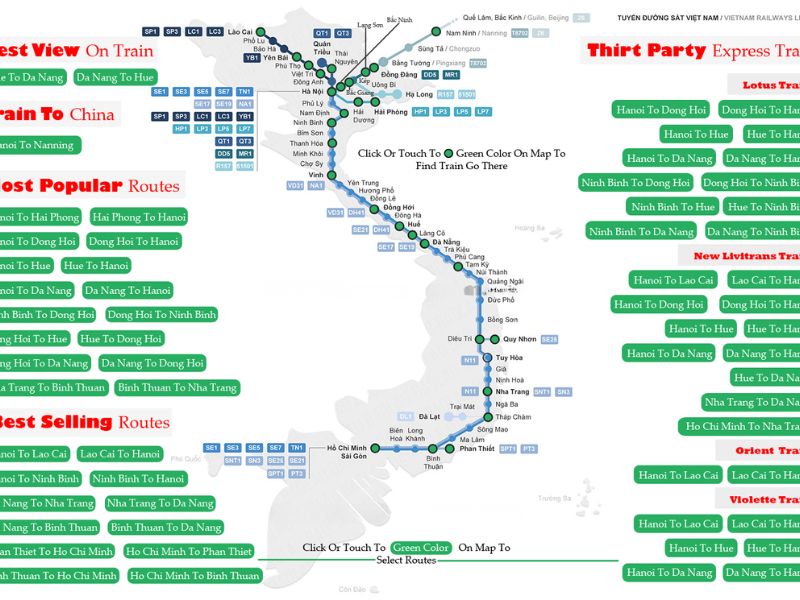
Vietnam’s railway system stretches from the north to the south of the country, covering major cities and many popular tourist destinations. The main railway line runs from Hanoi to Ho Chi Minh City and is often called the Reunification Express route. Along this line, many Vietnam train stations serve as important stops for passengers traveling long distances or short regional routes.
Although Vietnam’s railway infrastructure is not as modern as some countries, it remains reliable and well-organized for travelers. Trains are commonly used by both locals and international visitors, especially for overnight journeys.
Major Vietnam Railways Travelers Should Know
Vietnam has a long railway line running from north to south, with many train stations located across major cities and provinces. These Vietnam train stations connect travelers to popular destinations, cultural hubs, and scenic regions throughout the country. Below is a complete overview of the main train stations in Vietnam that travelers should know.
Northern Vietnam Train Stations
Northern Vietnam train stations mainly serve routes connecting Hanoi with mountain areas, border provinces, and the northern coastline.
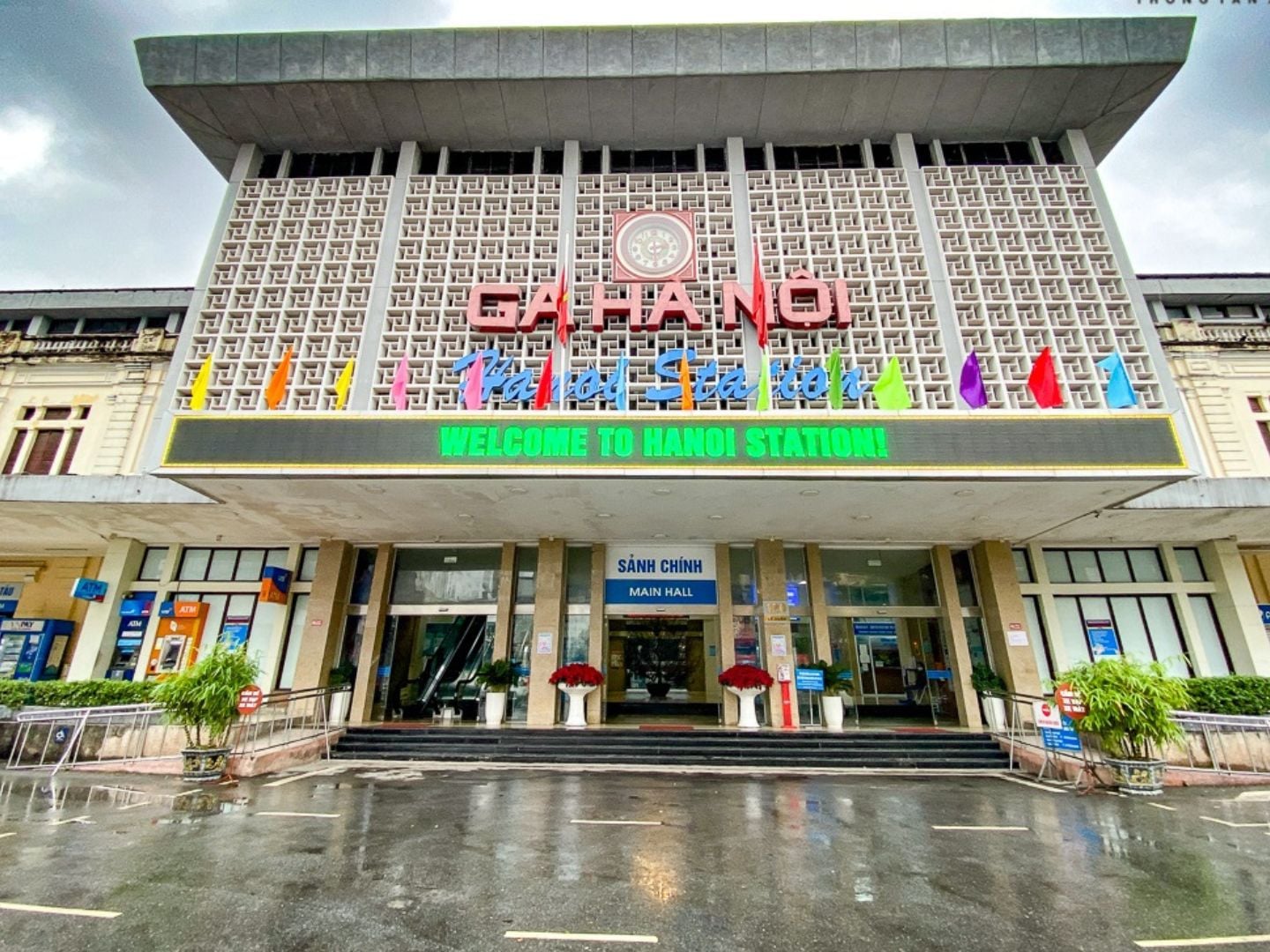
Key stations include Hanoi Train Station, the main railway hub in the north, along with Gia Lam, Yen Vien, Long Bien, and Dong Anh stations in Hanoi.
Other important northern stations are Lao Cai (gateway to Sapa), Hai Phong, Nam Dinh, Thai Nguyen, Yen Bai, Phu Tho, Viet Tri, Bac Giang, Lang Son, and Kep.
These stations are commonly used by travelers heading to Sapa, Ha Long area connections, or northern provinces.
Central Vietnam Train Stations
Central Vietnam train stations connect the north and south while serving many popular tourist cities along the coast and central highlands.
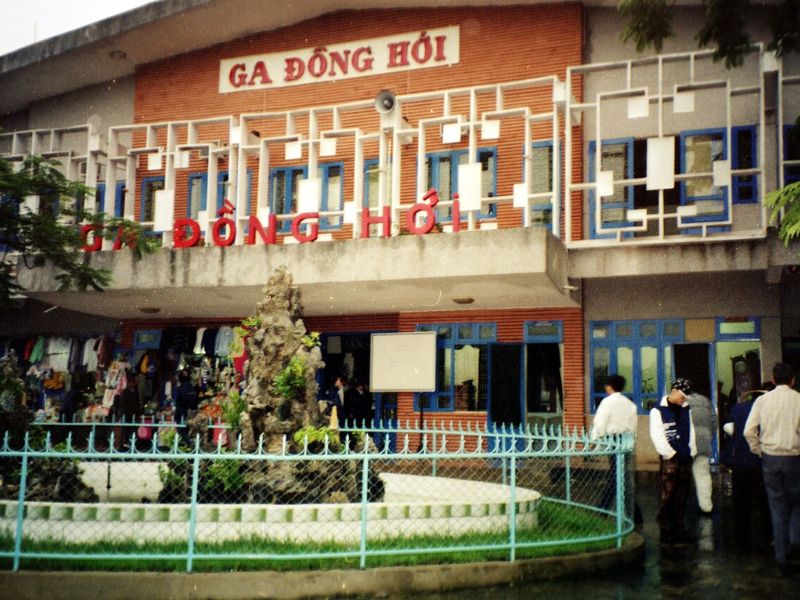
Major stations in this region include Dong Hoi (Quang Binh), Hue, Da Nang, Tam Ky, Quang Ngai, Dieu Tri (Binh Dinh), Tuy Hoa (Phu Yen), La Hai, Nha Trang, Thap Cham (Ninh Thuan), and Phan Thiet.
These stations are ideal for travelers visiting heritage sites, beaches, and central Vietnam attractions such as Hue Imperial City, Hoi An, and Nha Trang.
Southern Vietnam Train Stations
Southern Vietnam train stations serve routes connecting Ho Chi Minh City with southern provinces and the central region.
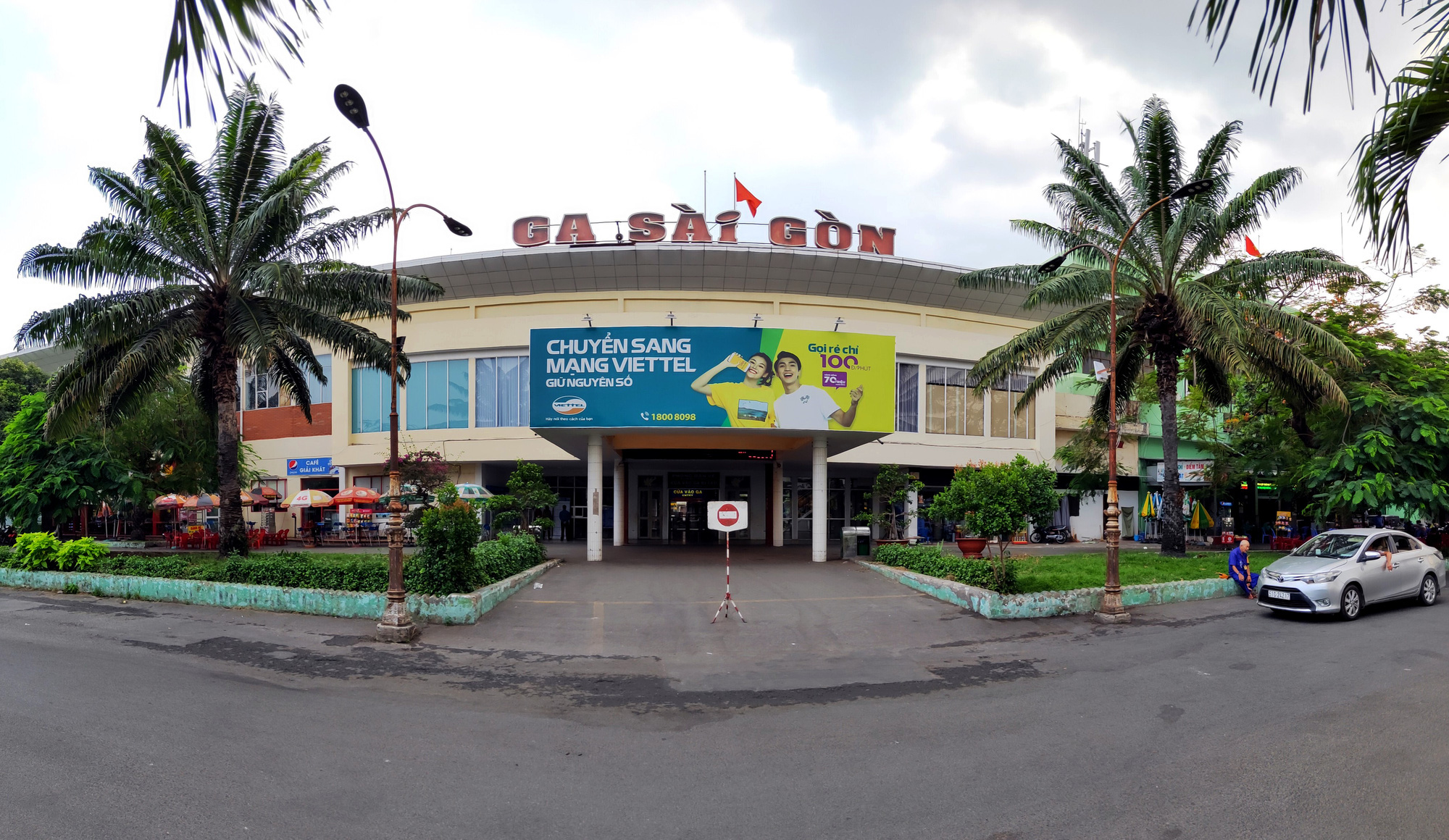
The most important station is Saigon (Ho Chi Minh City) Train Station, the southern terminal of the railway line. Other key stations include Di An (Binh Duong), Bien Hoa (Dong Nai), Long Khanh, Binh Thuan, Song Than, and Trang Bom.
These stations are frequently used by travelers moving between Ho Chi Minh City and coastal or central destinations.
See more: Vietnam Sleeper Train – Overnight Train Travel in Vietnam
Complete List of Vietnam Train Stations on the North–South Railway Line
Vietnam’s main railway line includes a long list of stations such as:
Hanoi – Long Bien – Gia Lam – Yen Vien – Phu Tho – Viet Tri – Yen Bai – Lao Cai – Nam Dinh – Ninh Binh – Thanh Hoa – Vinh – Dong Hoi – Dong Ha – Hue – Da Nang – Tam Ky – Quang Ngai – Dieu Tri – Tuy Hoa – Nha Trang – Thap Cham – Phan Thiet – Bien Hoa – Di An – Saigon.
This list covers the most commonly used stations for passenger travel across Vietnam.
Smaller Local Train Stations in Vietnam
In addition to major hubs, Vietnam also has many smaller local train stations that mainly serve residents and short-distance travelers. These stations may have limited facilities but still play an important role in regional transportation.
For international travelers, major stations listed above are the most practical and convenient choices when planning train journeys.
Why Knowing Vietnam Train Stations Matters for Travelers
Understanding the network of Vietnam train stations helps travelers plan routes more effectively, choose the best boarding points, and avoid confusion during the journey. Whether traveling long distances or exploring specific regions, knowing the right station can save time and improve the overall travel experience.
Facilities at Vietnam Train Stations
Most Vietnam train stations provide basic facilities to support passengers during their journey. While services may vary depending on the station size, travelers can generally expect waiting areas, ticket counters, restrooms, and small convenience shops.
Larger stations often have food stalls selling snacks, drinks, and simple meals. Some stations also offer luggage storage services and information desks. English signage is becoming more common, especially at stations serving international tourists.
How to Buy Train Tickets in Vietnam
Tickets can be purchased directly at Vietnam train stations, through official railway websites, or via authorized travel agencies. For international travelers, booking through a trusted agency can save time and reduce language barriers.
Buying tickets at the station is possible, but during peak seasons or holidays, trains may sell out quickly. It is recommended to book tickets in advance, especially for overnight sleeper trains.
Types of Trains Departing from Vietnam Train Stations
Vietnam train stations serve different types of trains, ranging from regular seating trains to sleeper trains. For long-distance routes, sleeper trains are the most popular option.
Some trains include private tourist carriages operated by travel companies, offering better comfort, cleaner cabins, and additional services. These carriages are attached to regular trains but provide a more comfortable experience.
Safety and Travel Tips at Vietnam Train Stations
Vietnam train stations are generally safe, but travelers should keep personal belongings secure, especially in crowded areas. It is advisable to keep valuables close and avoid leaving luggage unattended.
Arriving early, checking ticket details carefully, and confirming train numbers can help avoid confusion. Using official taxis or ride-hailing services outside the station is also recommended.
Why Choose Train Travel in Vietnam
Traveling by train from a Vietnam train station offers a unique way to experience the country. Passengers can enjoy scenic views, interact with locals, and travel at a relaxed pace.
Compared to flights, train travel is often more affordable and environmentally friendly. For long journeys, sleeper trains provide both transportation and accommodation in one experience.
Vietnam Train Station Etiquette for Foreign Travelers
Understanding basic station etiquette can make the experience smoother. Passengers are expected to queue politely, keep noise levels reasonable, and follow staff instructions.
While English may not always be spoken fluently, simple gestures and patience usually go a long way.
About Viet Express Travel – Your Trusted Partner for Vietnam Train Travel
Viet Express Travel is an official partner and trusted agent specializing in luxury sleeper train tickets, bus services, and private transportation in Vietnam. Established in 2015, Viet Express Travel also operates as a professional travel company, offering carefully designed tour packages across Vietnam.
With experience working with international travelers, Viet Express Travel provides reliable ticket booking, clear travel advice, and dedicated customer support. Whether you are planning a long-distance train journey or a complete travel itinerary, Viet Express Travel is ready to assist.
Vietnam train station is more than just a transit point—it is an essential part of the travel experience in Vietnam. From major hubs to smaller local stations, each plays a role in connecting travelers to the country’s diverse destinations. By understanding how Vietnam train stations work and planning ahead, travelers can enjoy a smooth, comfortable, and memorable journey across Vietnam by rail.
