
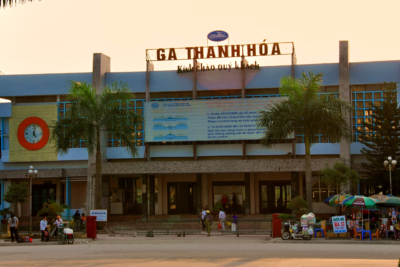



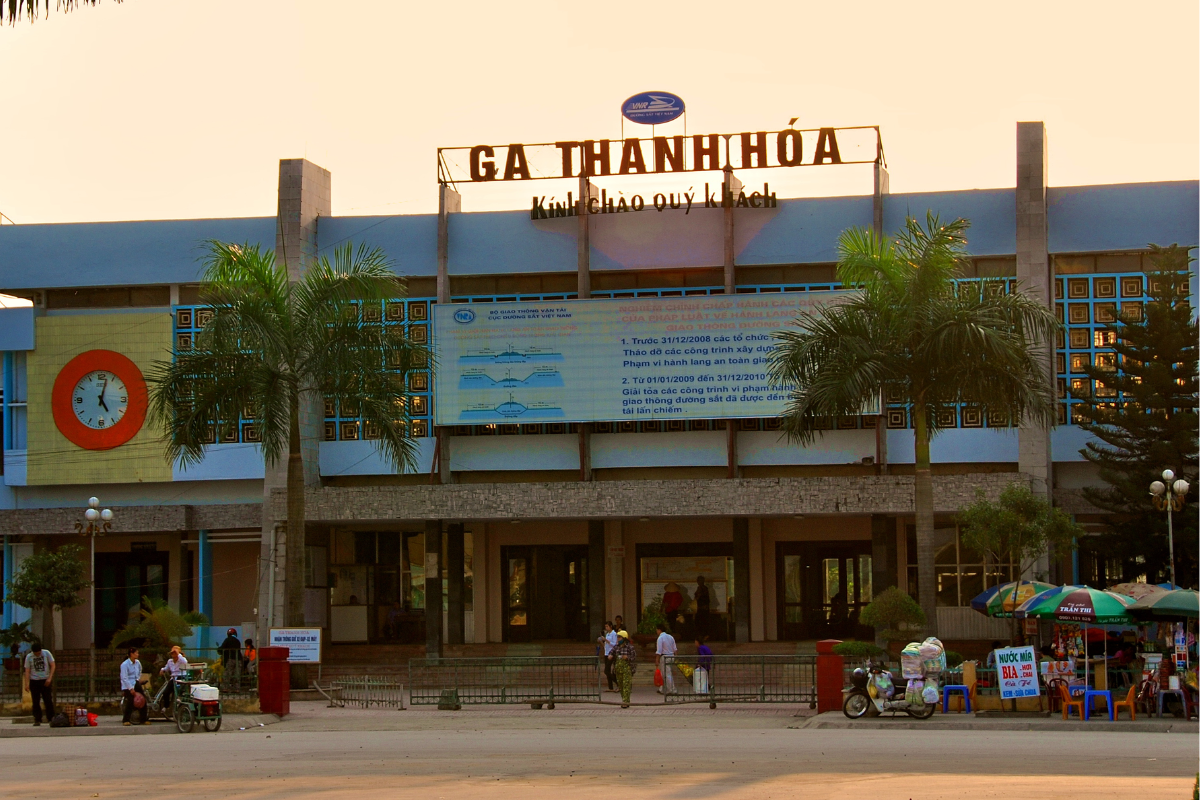
Located in the heart of Thanh Hoa City, Thanh Hoa railway station serves as a vital gateway for travelers exploring the North-Central region of Vietnam. Whether you are a backpacker heading to the beaches of Sam Son or a business traveler moving between Hanoi and Ho Chi Minh City, this station is a landmark you’ll likely encounter.
As one of the major stops on the North-South “Reunification Express” line, the station connects the bustling capital of Hanoi with the scenic landscapes of central and southern provinces. In this guide, we will walk you through the history, facilities, train schedules, and essential travel tips to make your journey through Thanh Hoa as smooth as possible.
Location and How to Get There
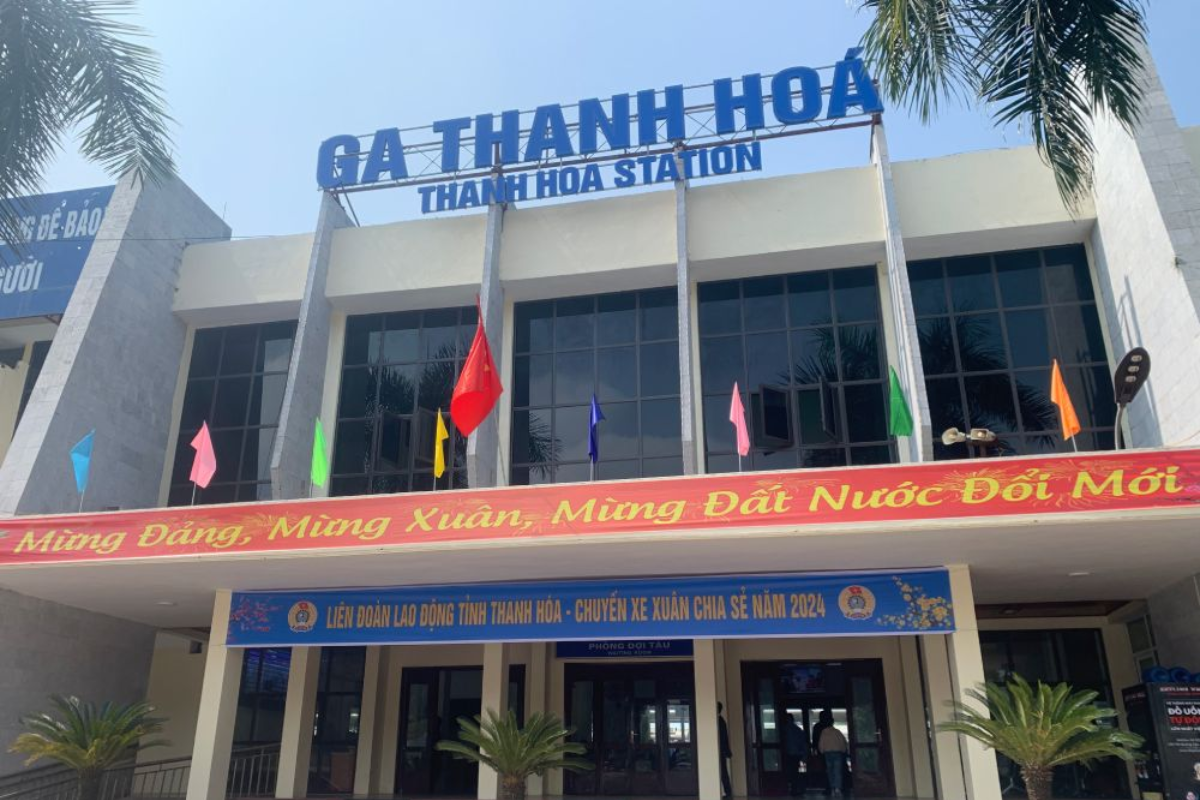
The station is situated at 8 Dương Đình Nghệ, Tân Sơn Ward, Thanh Hoa City. Its central location makes it incredibly accessible for anyone staying in the city or arriving from nearby districts.
Getting to the Station
- By Taxi/Grab: This is the most convenient way for international tourists. Reliable brands like Mai Linh or Green SM (Electric taxis) are readily available.
- By Local Bus: Several local bus routes pass near the station, connecting it to Sam Son Beach and the Nghi Son Economic Zone.
- By Motorbike: If you are on a road trip, there is a dedicated parking area for motorbikes at the entrance.
The surrounding area is filled with local eateries and small hotels, so if you arrive late at night or have an early morning departure, you won’t have to travel far for basic amenities.
Architecture and Facilities at the Station
While Thanh Hoa railway station may not have the colonial grandeur of Hanoi or Saigon stations, it offers a functional and straightforward layout that reflects the modernization of the Vietnamese railway system.
Waiting Areas and Services
The station features a spacious waiting hall equipped with seating for passengers. While it isn’t a luxury lounge, it provides a sheltered space to wait for your departure. You will find:
- Ticket Counters: Located right in the main hall for those looking to buy tickets on the spot (though booking in advance is highly recommended).
- Restrooms: Basic facilities are available, though it’s always wise to carry your own tissues.
- Food and Beverage: Small kiosks sell bottled water, instant noodles, snacks, and local “Nem Chua” (fermented pork)—a specialty of Thanh Hoa you must try.
- Loudspeaker System: Announcements are made in Vietnamese, but the staff are generally helpful if you show them your ticket.
Train Schedules and Popular Routes
Thanh Hoa is a key stop for almost every train running the North-South route. The journey times are quite predictable, making it easy to plan your itinerary.
From Hanoi to Thanh Hoa
The trip from Hanoi to Thanh Hoa takes approximately 3.5 to 4 hours. Many travelers choose this route because it is faster than the bus during peak traffic hours. Trains like the SE1, SE3, SE5, and SE7 are popular choices.
From Thanh Hoa to Central and Southern Vietnam
If you are heading south, the train will take you through stunning coastal scenery. Popular destinations include:
- Vinh: ~2.5 hours
- Hue: ~8 to 9 hours (Ideal for overnight sleeper trains)
- Da Nang: ~11 to 12 hours
- Saigon (Ho Chi Minh City): ~26 to 30 hours
Ticket Classes
When booking your trip through Thanh Hoa railway station, you can choose from several seat types:
- Hard Seat: Best for budget travelers on short trips.
- Soft Seat (Air-conditioned): Comfortable for 3-5 hour journeys.
- Hard Sleeper (6-berth): Good for overnight trips if you are on a budget.
- Soft Sleeper (4-berth): The standard choice for tourists, offering more privacy and comfort.
- Luxury Sleeper: High-end cabins with enhanced amenities, often provided by private companies attached to the national trains.
Travel Tips for International Tourists
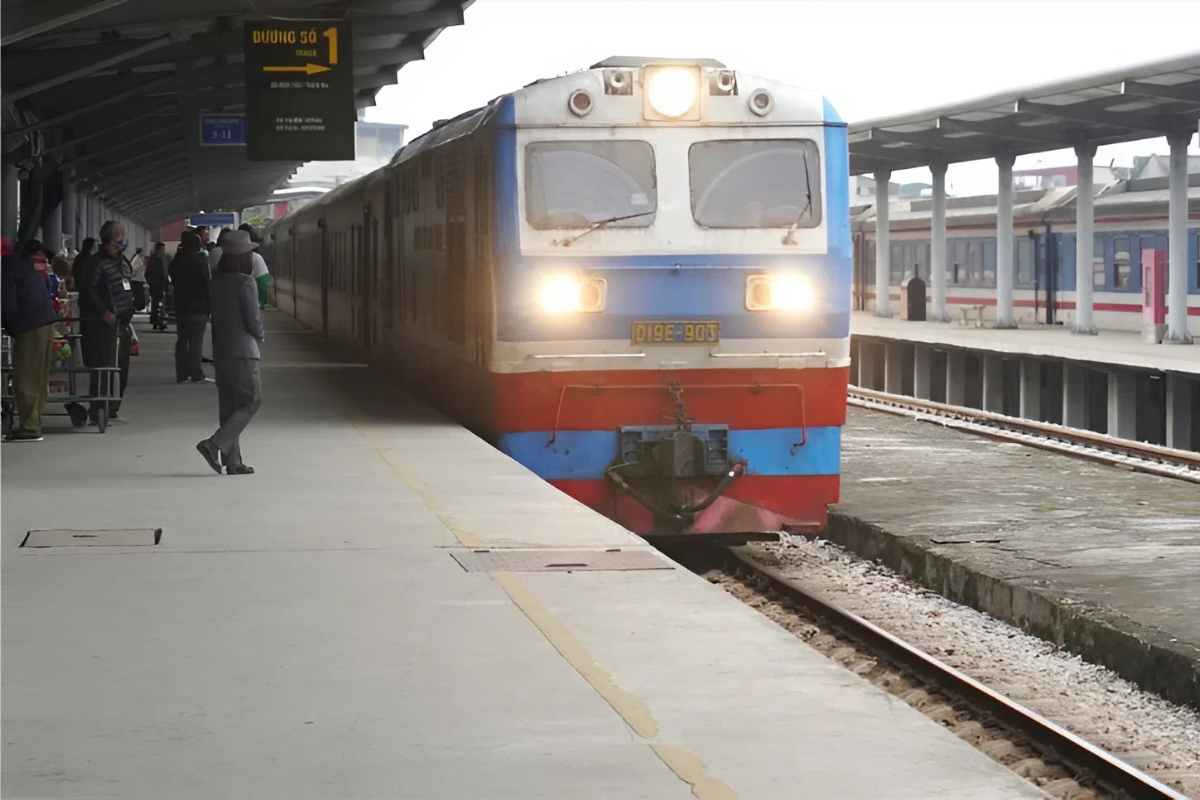
Navigating a Vietnamese train station can be an adventure. Here are some “insider” tips for Thanh Hoa railway station:
- Book in Advance: During holidays like Tet (Lunar New Year) or the summer months (June-August), tickets sell out weeks in advance. Use an official agent or online portal to secure your spot.
- Arrive Early: Aim to be at the station at least 30 minutes before departure. Trains in Vietnam are surprisingly punctual at intermediate stops like Thanh Hoa.
- Keep Your Ticket: You will need your ticket (either paper or electronic QR code) to enter the platform and sometimes to exit the station at your destination.
- Watch Your Luggage: While the station is generally safe, always keep an eye on your belongings in crowded waiting areas.
- Food on Board: Trolleys pass through the train selling meals and coffee, but the variety is limited. We recommend buying some snacks at the station entrance before boarding.
Exploring Around Thanh Hoa Railway Station
If you have a few hours to kill before your train, don’t just sit in the waiting room! Thanh Hoa City has a lot to offer.
- Lam Son Square: A large public space perfect for a walk and observing local life.
- Hàm Rồng Bridge: A historic site located just a short drive from the station, famous for its significance during the Vietnam War.
- Local Dining: Explore the streets around the station for authentic Vietnamese breakfast dishes like “Banh Cuon” (steamed rice rolls).
For those with more time, the station is the starting point for trips to Pu Luong Nature Reserve or the Citadel of the Ho Dynasty (a UNESCO World Heritage site). While you can’t take a train directly to these spots, the station is the best place to catch a connecting car or bus.
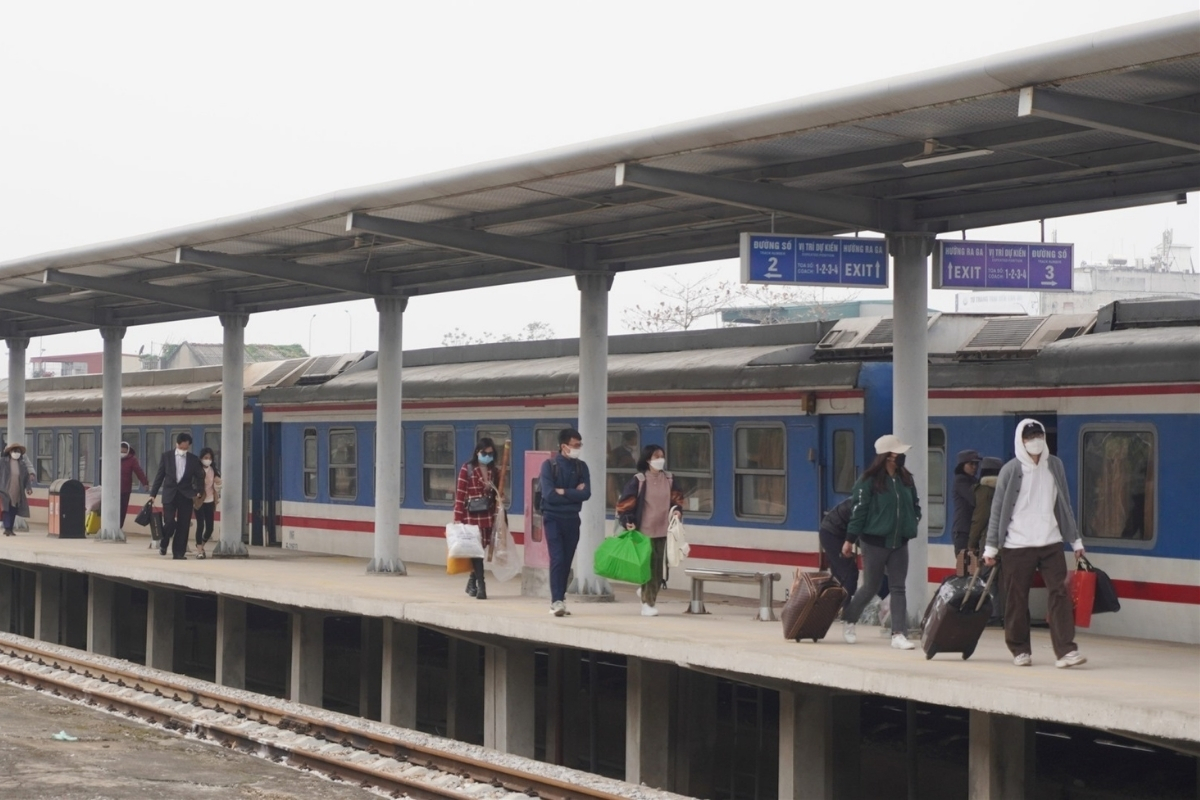
Why Choose Rail Travel in Vietnam?
Choosing to stop at Thanh Hoa railway station instead of flying or taking a bus offers a unique perspective of the country.
- Safety: Trains are statistically safer than traveling by bus on the busy National Highway 1A.
- Scenery: The rail tracks often run through rice paddies and mountains that aren’t visible from the main roads.
- Cultural Experience: You get to interact with locals, share stories, and see the “real” Vietnam outside the tourist bubbles.
Thanh Hoa railway station is more than just a transit point; it is a gateway to the rich culture and history of Central Vietnam. By understanding the layout, schedules, and services available, you can turn a simple commute into a memorable part of your travel story.
