Globally communicate adaptive e-markets & timely manufactured product. Objectively exploit collaborative relationships vis-a-vis competitive manufactured.
Globally communicate adaptive e-markets & timely manufactured product. Objectively exploit collaborative relationships vis-a-vis competitive manufactured.

Located in the misty mountains of northwest Vietnam, Sapa is an attractive destination for domestic and international tourists because of its stunning terraced fields, rich ethnic culture, and cool, refreshing climate all year round. If you are planning to visit Sapa to escape the hustle and bustle of city life, choosing the bus from Hanoi to Sapa is currently one of the most popular, economical, and convenient options available. This comprehensive guide will cover everything you need to know, from "Where do you catch the bus from Hanoi to Sapa" to "What amazing things are there to do once you arrive". Let's explore this journey together!
There are several transportation options between Hanoi and Sapa, including train and private car. However, the Hanoi to Sapa bus option is often the most practical for many travelers.
First, buses are direct. Unlike the train, which stops at Lao Cai Station and requires another transfer to Sapa town, the bus drops you directly in Sapa. This saves time and reduces hassle, especially if you carry heavy luggage.
Second, buses operate many times per day. You can choose daytime departure or overnight travel. If you want to save one night of hotel cost, the sleeper bus is a popular solution.
Third, ticket prices are reasonable. Compared to luxury trains, taking the bus from Hanoi to Sapa is usually more affordable while still comfortable.
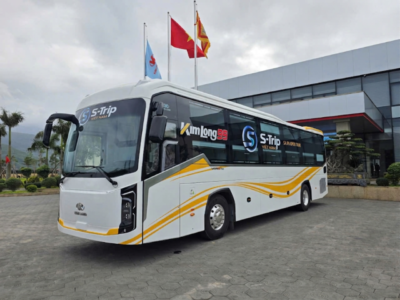
Finally, modern buses in Vietnam are much better than many people expect. Today, you can find limousine buses, VIP cabin buses, and high-quality sleeper buses with air conditioning, USB charging ports, and even private cabins.
The distance from Hanoi to Sapa is approximately 320 kilometers. Thanks to the modern highway connecting Hanoi and Lao Cai, the journey has become much faster.
Travel time by Hanoi to Sapa by bus is usually around 5.5 to 6.5 hours, depending on traffic and weather conditions. The highway section is smooth and comfortable, but the last mountain road from Lao Cai to Sapa includes curves and uphill sections. If you are sensitive to motion sickness, it is good to prepare medicine in advance.
Overnight buses often leave between 21:30 and 23:00, arriving in Sapa early in the morning around 4:30–5:30. Day buses operate from early morning until late afternoon.
For years, the overnight train was the classic way to get to Sapa. However, the completion of the Noi Bai – Lao Cai expressway revolutionized travel to the northwest. Today, the bus from Hanoi to Sapa is widely considered the most optimal choice for several reasons:
Direct Route: Buses go straight to Sapa town. Trains stop at Lao Cai station, which is about 35km away from Sapa, requiring a shuttle bus or taxi transfer up the mountain.
Time-Saving: The bus journey is significantly faster than the train.
Comfort and Variety: Modern buses offer incredible levels of comfort. You can choose from standard sleeper buses, limousine seat buses, or the highly popular VIP cabin buses (often called "Royal" or "Valentine" cabins) which offer private, enclosed spaces perfect for couples or those wanting privacy.
Flexibility: There are numerous departures throughout the day, from early morning to late night sleeper options, giving you great flexibility in planning your schedule to visit Sapa.
While private cars offer the most freedom, they are significantly more expensive. Motorbiking is an option for thrill-seekers, but the long distance and mountain passes require high driving skills and stamina. Therefore, the bus remains the top choice for most travelers.
To ensure a smooth trip on the bus from Hanoi to Sapa, here are some crucial details about the service:
Types of Buses:
Standard Sleeper (38-44 beds): The most economical option. Beds are arranged in three rows and two tiers. Good for budget travelers.
VIP Sleeper (34 beds): More spacious than standard, often with curtains for some privacy.
VIP Cabin / Limousine (20-24 cabins): The premium option. Each passenger gets a private, enclosed cabin equipped with a massage bed, USB ports, TV screen, and blanket. Highly recommended for maximum comfort on the 6-hour journey.
Booking Process: You should book your tickets in advance, especially during weekends or national holidays, as the best cabin buses sell out quickly. Booking can be done easily online through reputable travel agency websites or transport platforms.
Pick-up Points in Hanoi: Most buses pick up passengers in the Old Quarter area, at their specific offices, or major transport hubs like My Dinh bus station or near the airport junction.
Price Range: Prices vary depending on the bus type, ranging roughly from 250,000 VND (standard sleeper) to 450,000 VND+ (VIP cabin) per person, one way.
Looking for a comfortable and reliable bus from Hanoi to Da Nang or Sapa? Below is a quick overview of the top VIP cabin and sleeper bus services, helping you choose the perfect ride for your trip.
HK Buslines is one of the most popular companies operating the VIP cabin sleeper bus from Hanoi to Sapa. Their buses feature private cabin-style beds with curtains, USB charging ports, air conditioning, and comfortable mattresses. Many travelers choose HK Buslines because the cabins provide more privacy and a quieter space for overnight journeys.
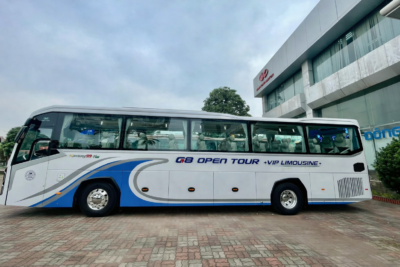
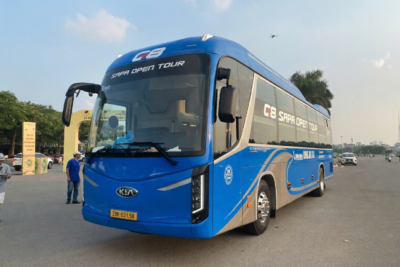
G8 Sapa Open Tour is well known for serving international travelers on routes between Hanoi and Sapa. Their sleeper buses are modern and equipped with air conditioning, WiFi, and charging ports. The company often offers convenient pickup points in Hanoi’s Old Quarter, making it easy for tourists to start their trip.
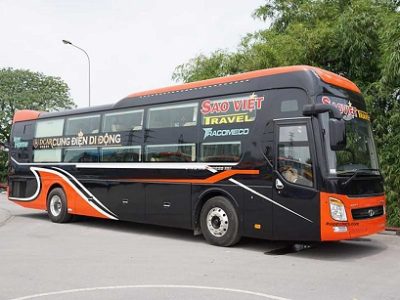
Sao Viet is one of the most established bus companies on the Hanoi – Sapa route, especially famous for its VIP cabin buses. Each passenger has a private cabin with a comfortable bed, entertainment screen, reading light, and charging ports. The company is also known for stable schedules and professional service.
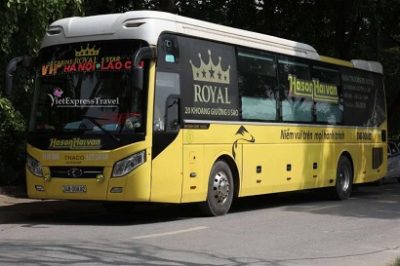
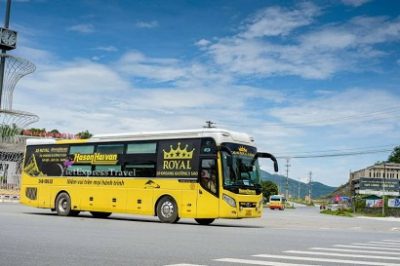
Ha Son Hai Van operates many daily departures between Hanoi and Sapa with modern sleeper buses. Their buses provide comfortable beds, air conditioning, and spacious luggage compartments. With many years of experience in northern Vietnam transportation, Ha Son Hai Van is considered a reliable option for travelers.
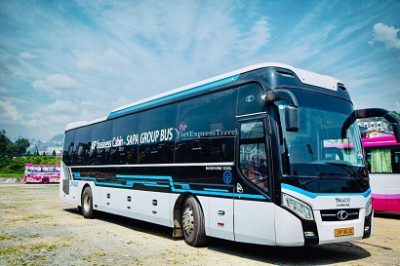
Sapa Group Bus focuses on tourist routes connecting Hanoi and Sapa. Their sleeper buses are designed for long-distance travel with reclining beds, air conditioning, and convenient pickup locations in the Old Quarter. The company is often chosen by travelers looking for a comfortable and budget-friendly overnight bus to Sapa.
Ticket prices depend on bus type, season, and operator. On average:
During peak seasons such as weekends, holidays, or rice harvest season in Sapa (September–October), prices may increase slightly.
Booking in advance is recommended, especially if you want a lower cabin bed or a specific departure time.
Most bus companies offer flexible pick-up options in Hanoi. Common pick-up points include:
Some companies provide door-to-door transfer within the Old Quarter. If you stay outside the central area, you may need to go to the departure office.
When booking your bus from Hanoi to Sapa, always confirm the exact pick-up time and location to avoid confusion.
Most buses stop at:
From there, you can easily walk or take a short taxi ride to your accommodation. Sapa town is relatively small, so transportation is simple.
To ensure the most comfortable journey on the bus from Hanoi to Sapa, keep these practical tips in mind:
Motion Sickness Prep: The first part of the journey is smooth highway, but the last hour involves winding mountain roads as the bus climbs up to Sapa town. If you are prone to motion sickness, take medication 30 minutes before departure.
Dress Comfortably & Warmly: Bus air conditioning can be quite strong, and Sapa is much cooler than Hanoi. Wear layers and keep a light jacket handy, even on the bus.
Rest Stops: The bus usually makes 1 or 2 stops for restrooms and food. The breaks are usually short (15-20 minutes), so keep an eye on the time and remember your bus number.
Shoes Off: You will be required to take your shoes off upon entering sleeper buses. The bus company usually provides a plastic bag for them.
Luggage: Large luggage goes in the hold underneath the bus. Keep valuables and essentials in a small carry-on bag at your seat.
Above is the most detailed information and experience regarding taking the bus from Hanoi to Sapa and exploring this magnificent highland town. The convenience, comfort, and affordability of modern buses make them the perfect gateway to the stunning rice terraces, towering peaks, and vibrant cultures of the northwest. If you have the opportunity to travel Sapa, please take the time to experience the journey by road—it's part of the adventure!
Today, booking a Sapa bus from Hanoi is very easy. You can:
Always check cancellation policy and ticket confirmation details.
During high season, early booking is strongly recommended.
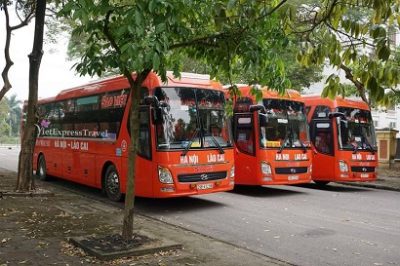
Viet Express Travel, established in 2015, is an official partner and ticket agent specializing in luxury sleeper trains, sleeper buses, limousine services, and private car rentals across Vietnam.
For travelers looking for a reliable bus Hanoi to Sapa, we carefully select reputable bus operators to ensure safety and comfort. Whether you need a standard sleeper bus, limousine service, or VIP cabin bus, our team helps you choose the best option based on your budget and schedule.
In addition to transportation, Viet Express Travel also provides attractive tour packages throughout Vietnam, including trekking tours in Sapa, Halong Bay cruises, Ninh Binh tours, and more.
With many years of experience serving international travelers, we focus on clear communication, easy booking, and responsive support before and during your trip.
Taking the bus Hanoi to Sapa is one of the most convenient and affordable ways to explore Northern Vietnam’s mountains. With modern highways, comfortable sleeper buses, limousine services, and VIP cabin options, the journey is much easier than many travelers expect.
Whether you choose daytime travel or overnight sleeper, booking in advance and selecting a reliable operator will help ensure a smooth trip. For those who value privacy and extra comfort, the VIP cabin bus is a great upgrade.
Sapa is waiting with its cool air, beautiful rice terraces, and vibrant local culture. Plan your transportation carefully, and your adventure will begin the moment you leave Hanoi.