




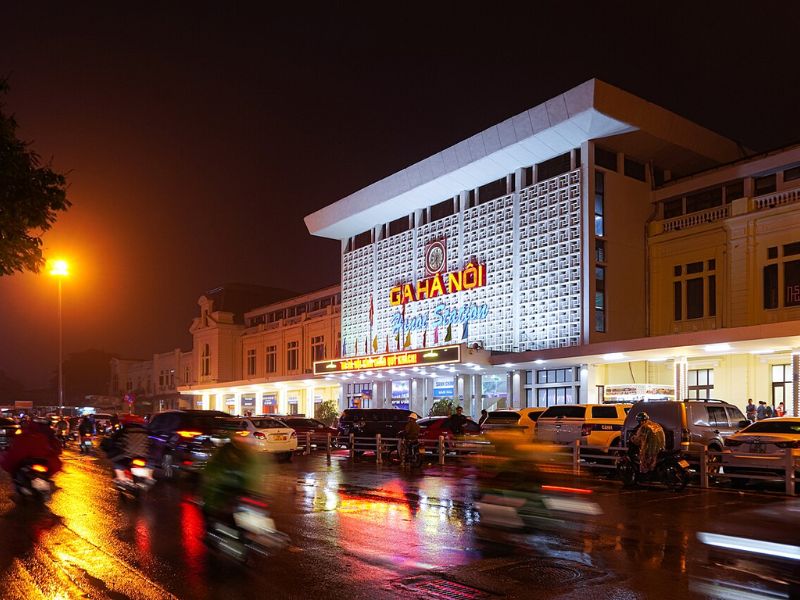
Hanoi railway station is one of the most important transportation hubs in northern Vietnam and a key starting point for many journeys across the country. For travelers visiting Vietnam for the first time, this station often becomes their first real interaction with local transportation, culture, and daily life.
Located in the heart of Hanoi, the station connects the capital city with major destinations such as Hue, Da Nang, Nha Trang, and Ho Chi Minh City. It also plays an important role for local commuters and domestic travelers. While the station may look simple compared to modern airports, it carries historical value and practical convenience that many travelers appreciate.
This guide will help you understand everything you need to know about Hanoi railway station, from its location and layout to train routes, ticket options, facilities, and travel tips.
Location and Accessibility
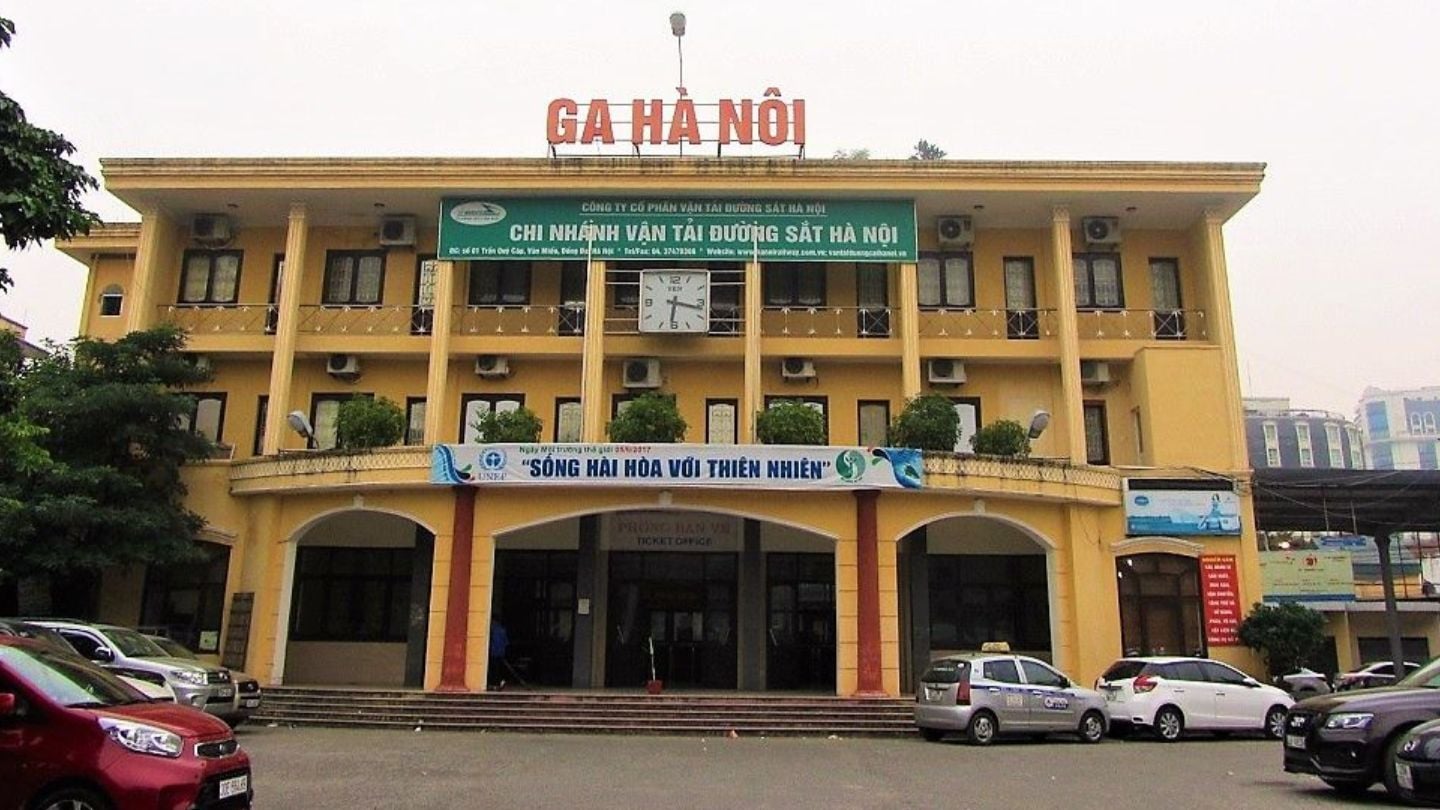
Hanoi railway station is located at 120 Le Duan Street, Hoan Kiem District, very close to the city center. This central location makes it easy to reach from popular tourist areas such as the Old Quarter, Hoan Kiem Lake, and the French Quarter.
Most travelers can reach the station within 10–15 minutes by taxi or ride-hailing services. For those staying near the Old Quarter, the distance is short enough to travel by motorbike taxi or even on foot if you have light luggage.
Because of its central position, Hanoi railway station is also well connected to hotels, restaurants, cafes, and local services, which is very convenient for travelers waiting for late-night or early-morning trains.
A Brief History of Hanoi Railway Station
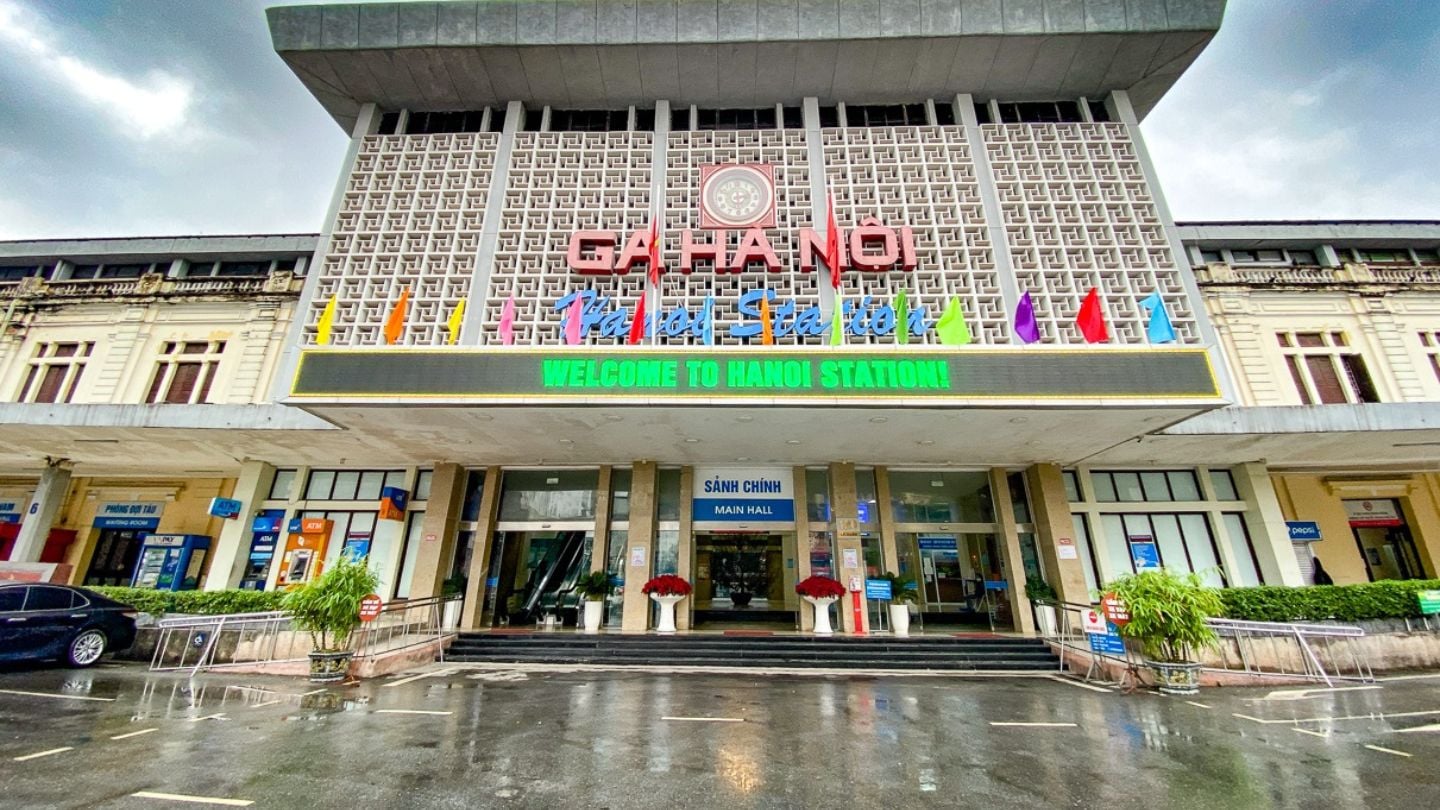
Hanoi railway station was originally built during the French colonial period in the early 20th century. Over time, it has been renovated and expanded to accommodate growing passenger demand, especially after the reunification of Vietnam.
Although parts of the original architecture were damaged during wartime, the station still reflects a mix of old and new design. Today, it stands as a symbol of Vietnam’s long railway history and continues to serve millions of passengers every year.
For travelers interested in history, simply walking through the station offers a glimpse into how transportation has shaped Vietnam’s development.
Station Layout and Main Areas
Hanoi railway station is not very large, but it is functional and easy to navigate once you understand the basic layout.
The station includes:
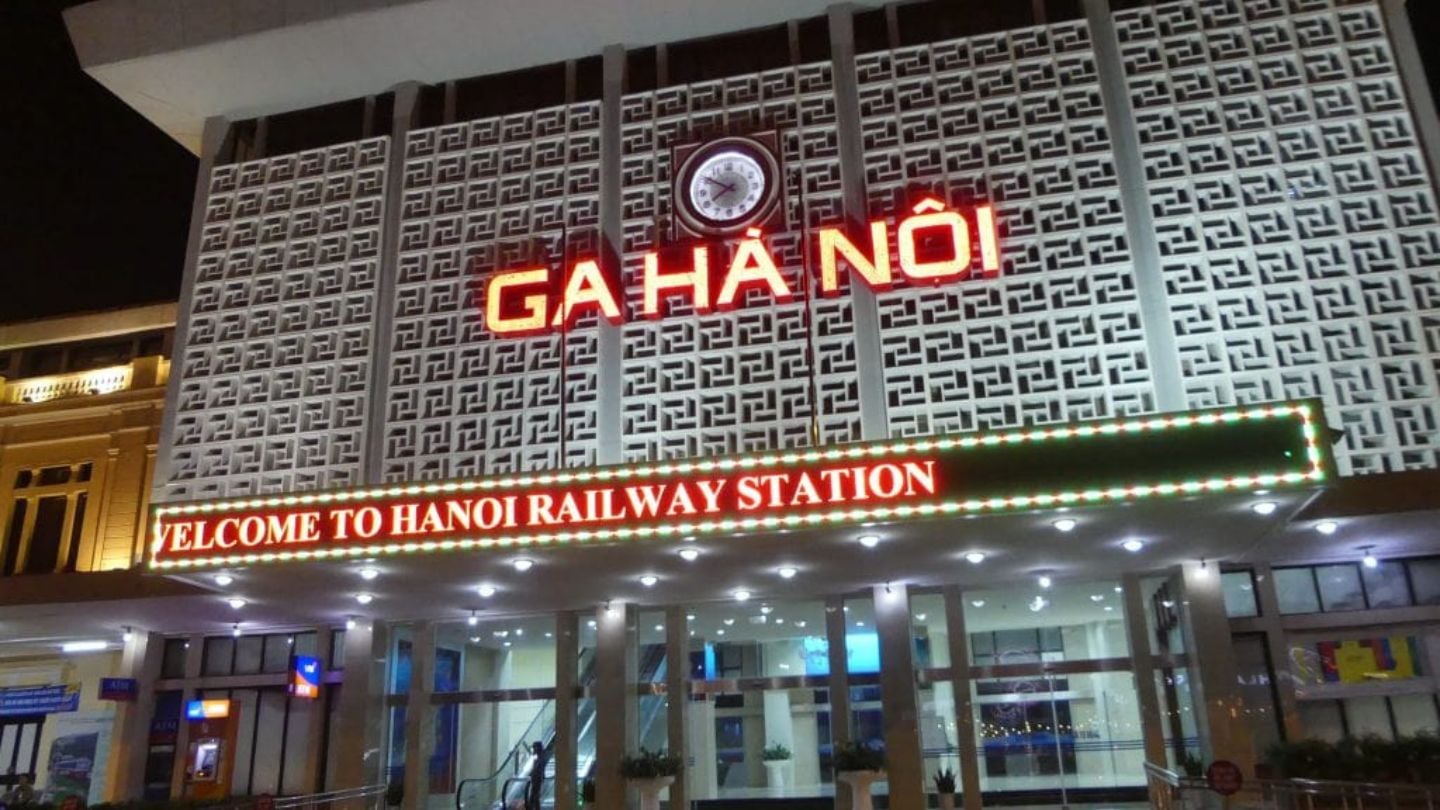
- A main entrance and ticket hall
- Waiting areas for passengers
- Boarding platforms
- Food and convenience stalls
- Ticket counters and customer service desks
The station is divided into different areas for various train types, including long-distance trains and local services. Clear signage in both Vietnamese and English helps guide travelers to platforms and exits.
While the station may feel busy during peak hours, staff and security are usually available to assist if you need help.
Train Routes from Hanoi Railway Station
Hanoi railway station serves as the starting or ending point for many important train routes in Vietnam. The most famous route is the North–South Railway, which runs from Hanoi to Ho Chi Minh City.
Popular routes from Hanoi include:
- Hanoi to Hue
- Hanoi to Da Nang
- Hanoi to Nha Trang
- Hanoi to Ho Chi Minh City
- Hanoi to Lao Cai (gateway to Sapa)
These routes vary in travel time, comfort level, and ticket price. Overnight sleeper trains are especially popular with tourists who want to save time and enjoy scenic views along the way.
Types of Trains and Seating Options
Trains departing from Hanoi railway station offer different seating and sleeping options to suit various budgets and travel styles.
Common options include:
- Hard seat: basic seating, mostly used by local travelers
- Soft seat: more comfortable seating with air conditioning
- Hard sleeper: shared sleeping cabins with basic beds
- Soft sleeper: air-conditioned cabins with better bedding
- Luxury sleeper cabins: upgraded services, private space, and better comfort
Many international travelers prefer soft sleeper or luxury sleeper cabins, especially for long journeys. These options provide a more relaxing experience and are suitable for overnight travel.
See more: Vietnam Train Station Overview for Tourists
Buying Tickets at Hanoi Railway Station
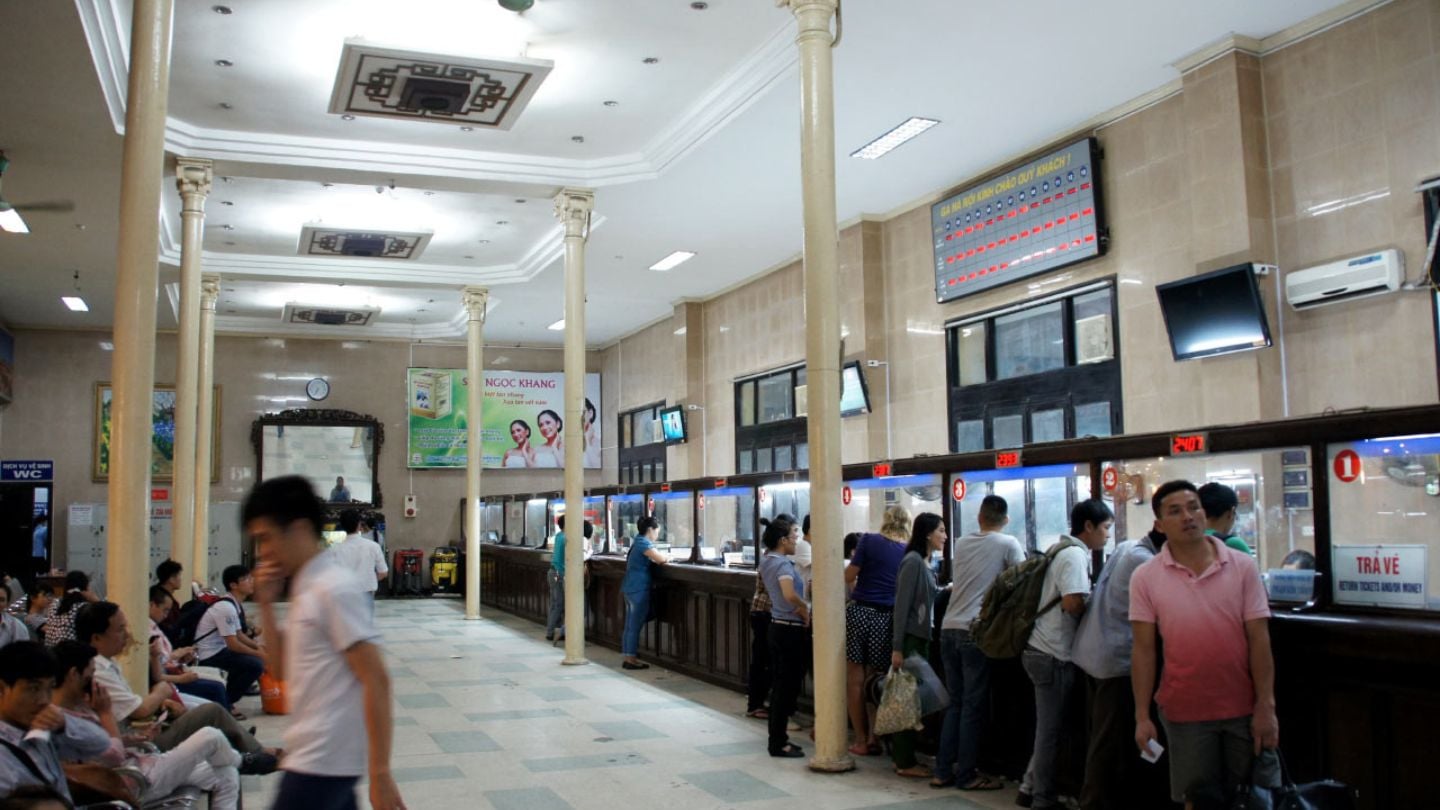
Travelers can purchase Vietnam train tickets directly at Hanoi railway station through official ticket counters. However, during peak seasons or holidays, tickets may sell out quickly.
Buying tickets at the station works best if:
- You speak some basic Vietnamese or have assistance
- You are flexible with travel dates and times
- You arrive early to avoid long queues
For many international visitors, purchasing tickets through a trusted travel agency is a more convenient and stress-free option.
Facilities and Services at the Station
Hanoi railway station provides basic facilities to support passengers during their journey.
Available services include:
- Waiting rooms with seating
- Small food stalls and cafes
- Restrooms
- Luggage assistance services
- Security and customer support
While the station is functional, it is not a luxury terminal. Travelers are advised to prepare essentials such as snacks, water, and personal items before boarding, especially for long trips.
Food and Nearby Amenities
Inside the station, food options are limited but sufficient for short waits. You can find simple Vietnamese meals, snacks, coffee, and bottled drinks.
Outside the station, the surrounding area offers many restaurants, convenience stores, and cafes. This gives travelers the chance to enjoy a proper meal before departure or after arrival.
If you have extra time, exploring nearby streets can be a pleasant way to experience local life in Hanoi.
Travel Tips for First-Time Visitors
Traveling through Hanoi railway station can be smooth and enjoyable if you keep a few practical tips in mind.
Helpful tips include:
- Arrive at least 30–45 minutes before departure
- Keep your ticket and passport accessible
- Confirm your platform number in advance
- Watch your belongings in crowded areas
- Follow staff instructions when boarding
These small preparations can help reduce stress and make your journey more comfortable.
Hanoi Railway Station and Sustainable Travel
Train travel is considered one of the more environmentally friendly ways to explore Vietnam. Choosing trains over short domestic flights can help reduce carbon emissions while allowing travelers to enjoy scenic landscapes along the way.
Many travelers appreciate the slower pace of train journeys, which offer a deeper connection to the country’s geography and local communities.
Hanoi railway station plays an important role in promoting this sustainable travel option.
About Viet Express Travel
Viet Express Travel is the official partner and authorized agent specializing in luxury sleeper train tickets, bus services, and private car rentals across Vietnam. Established in 2015, the company has built a strong reputation for providing reliable transportation and professional travel services to international visitors.
In addition to train tickets from Hanoi railway station, Viet Express Travel also offers:
- Luxury sleeper train bookings
- High-quality bus services
- Private car and driver rentals
- Customized Vietnam travel tours
- Professional customer support in English
With a focus on comfort, safety, and convenience, Viet Express Travel helps travelers enjoy smooth journeys and unforgettable experiences throughout Vietnam.
Hanoi railway station is more than just a transportation hub. It is a gateway to discovering Vietnam in an authentic and meaningful way. From its central location and historical background to its wide range of train routes and services, the station plays an essential role in both local and tourist travel.
Whether you are heading north to the mountains or south along the coastline, starting your journey from Hanoi railway station offers a practical and memorable experience. With the support of trusted partners like Viet Express Travel, travelers can enjoy comfort, reliability, and peace of mind while exploring Vietnam by rail.
